Can Biopsies Cause Cancer to Spread? Experts Explain the Risk
The word “cancer” alone is enough to send a chill down anyone’s spine. When a doctor follows that word with the recommendation for a biopsy, the anxiety often doubles. Though many of us aren’t even aware, there has been a persistent fear circulating for decades: the idea that poking a tumor with a needle or cutting into it might disturb the cancer cells, causing them to leak out and spread to other parts of the body.
For years, many patients have worried that the very test designed to save their lives might actually endanger them. Recently, more transparent conversations in the medical community have addressed these concerns head-on. Is it true? Do biopsies spread cancer?
The reality is more nuanced than a simple “yes” or “no.” While medical professionals acknowledge a phenomenon known as “seeding,” the scientific consensus remains clear: the diagnostic necessity of a biopsy far outweighs the risks involved. To understand why, we must look past the sensational headlines and dive into the mechanics of how biopsies work and what the data actually tells us.
What Exactly is a Biopsy?
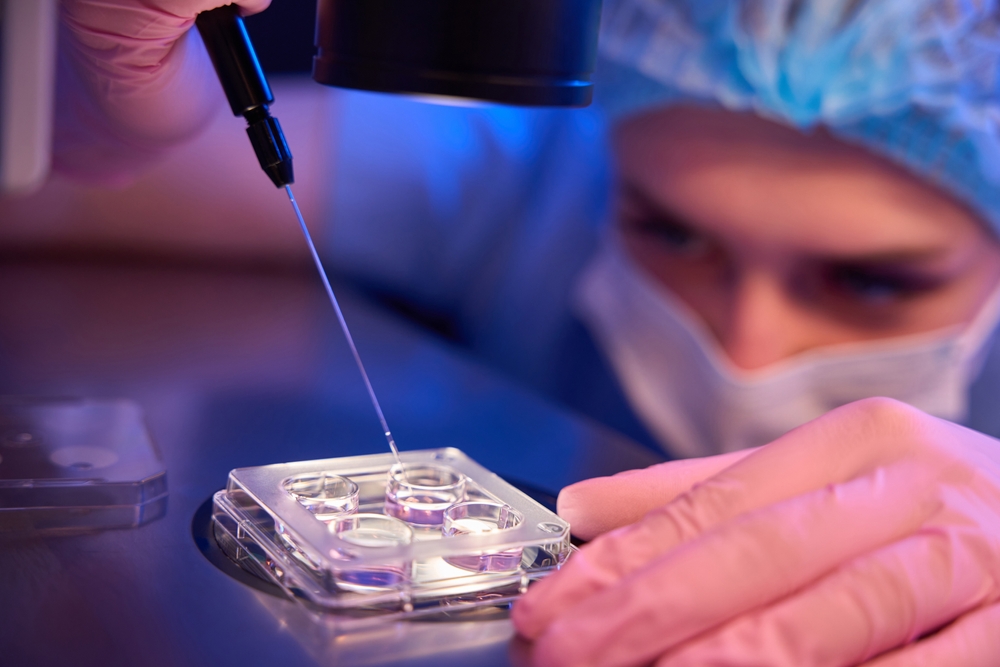
Before addressing the fear of spreading cancer, it is vital to understand what a biopsy is and why it is performed. A biopsy is a medical procedure where a small sample of tissue, cells, or fluid is removed from a suspicious area in the body. This sample is then sent to a pathologist, a doctor who specializes in studying cells, who examines it under a high-powered microscope.
There are several types of biopsies, ranging from a fine-needle aspiration to a core needle biopsy, or a slightly larger needle, to surgical biopsies where a portion of a lump is removed.
Why do we do this? Despite all the advancements in modern technology, imaging tests like CT scans, MRIs, and X-rays have a limit. They can show us that a “spot” or a “shadow” exists, but they cannot tell us with 100% certainty what that spot is made of. It could be a benign cyst, an infection, or a malignant tumor. A biopsy provides the “gold standard” of diagnosis. It tells the medical team the exact type of cancer, how aggressive it is, and, crucially, what specific treatments, such as target therapy or immunotherapy, will work best against it.
“Biopsies often provide essential information to help diagnose and stage cancer. They can also help inform decision-making for individuals who receive a cancer diagnosis,” said Jeffrey E. Gershenwald, MD, FACS, an American Society of Clinical Oncology (ASCO) expert and professor in the Department of Surgical Oncology in the Division of Surgery at the University of Texas MD Anderson Cancer Center.
The Concept of “Tumor Seeding”
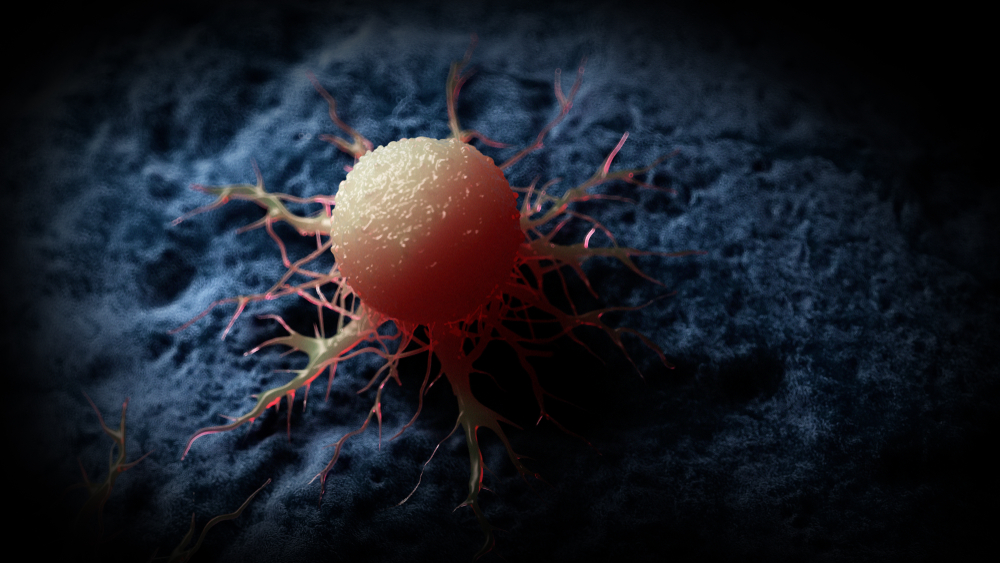
The technical term for what people fear is “tumor seeding”, sometimes called needle tract seeding. This refers to the hypothetical or rare instance where a biopsy needle, as it is withdrawn from a tumor, accidentally carries a few cancer cells along the path it traveled, depositing them into healthy tissue.
It is important to state clearly: Doctors are not “admitting” this as if it were a dirty secret. They have been studying, documenting, and mitigating this risk for decades. Scientific literature has tracked the incidence of seeding across millions of procedures. What the research shows is that while seeding is biologically possible, it is extraordinarily rare.
Examining the Numbers: Is the Risk Real?
When we look at the data, the “danger” often cited in sensationalist articles begins to shrink. According to the American Cancer Society and various clinical studies, the incidence of needle tract seeding is so low that in many types of cancer, it is statistically negligible. For example:
- Liver cancer: A major review found that needle tract seeding occurred in only about 2.7% of cases.
- Breast Cancer: Extensive studies involving thousands of patients show that the risk of seeding is incredibly low, and more importantly, having a needle biopsy does not decrease a patient’s chance of survival or increase the likelihood of the cancer returning.
- Prostate and lung cancers: Similar trends are seen here, where the diagnostic benefit is massive, and the instances of documented spread via the biopsy needle are rare anomalies rather than a common side effect.
In a 2015 study, researchers reviewed years of data and found that the overall incidence of seeding across various cancers was less than 1%. To put that in perspective, the risk of a cancer going undiagnosed or being mistreated because a biopsy wasn’t performed is significantly higher and far more dangerous.
“This study shows that physicians and patients should feel reassured that a biopsy is very safe,” Dr. Michael Wallace says. “We do millions of biopsies of cancer a year in the U.S., but one or two case studies have led to this common myth that biopsies spread cancer.”
Why Doesn’t “Seed” Always Grow?
One might wonder: if even one cell is “seeded” along a needle track, doesn’t that mean a new tumor will grow? Not necessarily.
The human body is not a passive environment; it is an active, hostile place for displaced cells. Cancer cells are specialized to thrive in their specific microenvironment (the tumor). When a few cells are dislodged during a biopsy, they usually face several hurdles:
- The Immune System: Our immune systems are designed to identify and destroy “out of place” or abnormal cells. A few stray cells are often cleaned up by the body’s natural defenses before they can ever take root.
- Lack of Blood Supply: For a cancer cell to grow into a tumor, it needs a blood supply (angiogenesis). Isolated cells dropped along a needle track rarely have the resources to establish a new colony.
- Immediate Treatment: Most biopsies are followed quickly by treatment – surgery, chemotherapy, or radiation. These treatments are designed to kill cancer cells throughout the area, including any that might have been displaced during the diagnostic process.
How Doctors Minimize the Risk
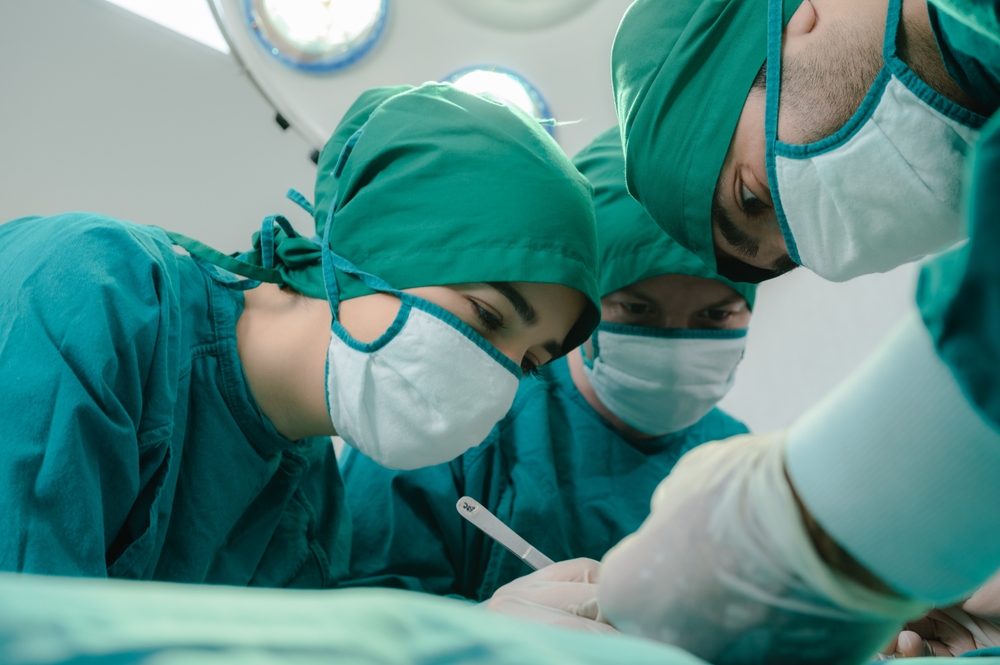
Doctors follow several precautions to ensure the risk of a biopsy is next to zero. Image credit: ShutterstockMedical professionals do not ignore the possibility of seeding; they have developed specialized techniques to prevent it. If you are undergoing a biopsy, your medical team is likely using one or more of the following safeguards:
- Coaxial needles: Many doctors use a “sleeve” or “sheath” technique. A larger hollow needle is inserted up to the edge of the tumor, and then a smaller biopsy needle is passed through that sleeve to take the sample. When the biopsy needle is pulled back, it stays inside the sleeve, ensuring the tissue sample never touches the healthy tissue along the path.
- Surgical planning: When a surgeon performs a biopsy on a tumor they intend to remove later, they carefully plan the path of the needle. They often ensure the biopsy track is located in a section of tissue that will be entirely removed during the subsequent surgery. This way, even if seeding occurred, the entire area is cut out.
- Fine-Needle precision: The use of smaller needles reduces the displacement of tissue, further lowering the already slim chances of cell migration.
The Greater Danger: The “Wait and See” Approach
The fear of a biopsy spreading cancer can lead to a much more dangerous outcome: avoiding the biopsy altogether. Cancer is most treatable, and often curable, when caught early. Delaying a diagnosis allows the tumor to grow naturally. Unlike the theoretical risk of a needle spreading cells, the risk of an untreated tumor spreading on its own through the lymphatic system or the bloodstream is a virtual certainty if left long enough.
Without a biopsy, doctors are “flying blind.” They cannot know if a tumor requires aggressive chemotherapy or a simple localized surgery. Using the wrong treatment because of an incomplete diagnosis can be fatal. In the world of oncology, information is the most powerful weapon a patient has. The biopsy provides that information.
Addressing the “Admissions”
The headline suggests that doctors are “finally admitting” this risk, implying a shift in medical honesty. In reality, the medical community’s openness about the risks of any procedure, whether it’s a biopsy, a routine surgery, or a new medication, is part of the standard of informed consent.
Doctors discuss these risks because they want patients to be partners in their care. The American Society of Clinical Oncology (ASCO) and other leading bodies provide detailed information on these topics not to scare patients, but to dispel the myths that flourish in the absence of clear communication. By acknowledging that a risk, however tiny, exists, doctors can explain why they take specific precautions to manage it.
Questions to Ask Your Doctor

If you are scheduled for a biopsy and feel anxious, the best remedy is communication. You are entitled to ask your medical team about their process. Consider asking the following:
- What type of biopsy are you using, and why is it the best choice for me?
- What precautions are taken to ensure the procedure is safe?
- How will the results of this biopsy change my treatment plan?
- What are the risks of not doing this biopsy?
A good physician will welcome these questions. They understand that a cancer scare is one of the most stressful events a person can face, and they want you to feel confident in your care plan.
Oven glass shatters without warning, leaving homeowners confused and out of options
8 foods that kill cancer cells that many people pay little attention to
Why do Dogs Sniff your Private Parts or your Crotch? Discover the reason WHY? || Monkoodog
About The Author

